The SatNOGS Network has reached 14 Million Observations!
SatNOGS, the world’s biggest open-source Network of satellite ground stations, achieved an incredible new Milestone! On the 6th of May 2026, SatNOGS reached its 14,000,000th observation, and we are wholeheartedly grateful to the entire Community for this achievement!
Fourteen million Observations
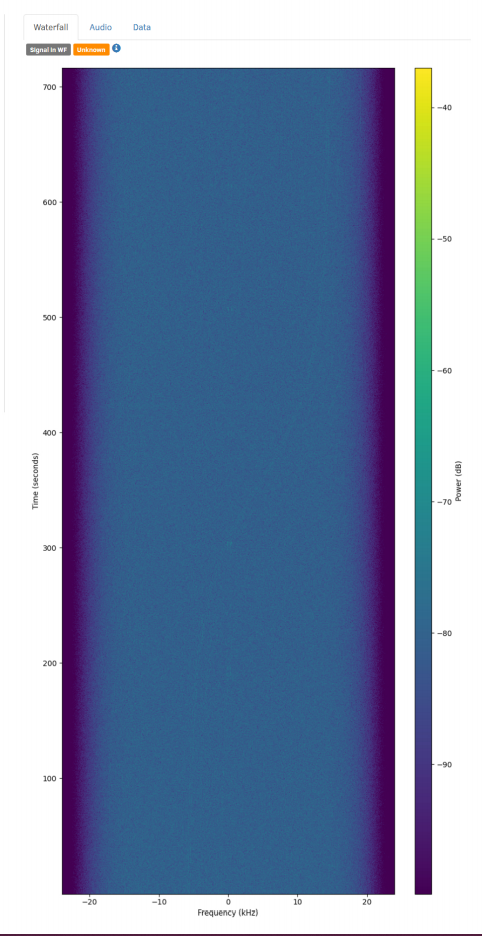
Observation #14000000 was scheduled by a SatNOGS station in Riga, Latvia, for the LUSAT satellite. Sadly, the 14M observation is a failed observation. And though this might be disappointing, failed observations are not uncommon in satellite tracking. They are also the reason why it’s vital to build a dense network of ground stations across a region. Because the density of the network ensures the success of our collective efforts in tracking satellites, it provides reliable backups and, overall, captures more observations and data.
LUSAT
LUSAT (or LUSAT-OSCAR 19 or LO-19) is an amateur radio communications microsatellite designed, created and operated by AMSAT Argentina. The satellite was launched into space on January 22, 1990, aboard the inaugural Ariane 4 rocket. The mission was a multi-payload flight (carrying also the SPOT-2 satellite, among other satellites). LUSAT carried a CCD camera for Earth observation and is considered a historical satellite, as it was Argentina’s first satellite. LUSAT was primarily used by radio amateurs, and 36 years later, though it is inactive, it is still tracked by amateur radio enthusiasts globally, as observed in the Network.
The successful launch and orbit of LUSAT paved the way for the creation of Argentina’s national space agency and for the country’s subsequent major satellite programmes and endeavours.
Grateful to the Community for every SatNOGS achievement!
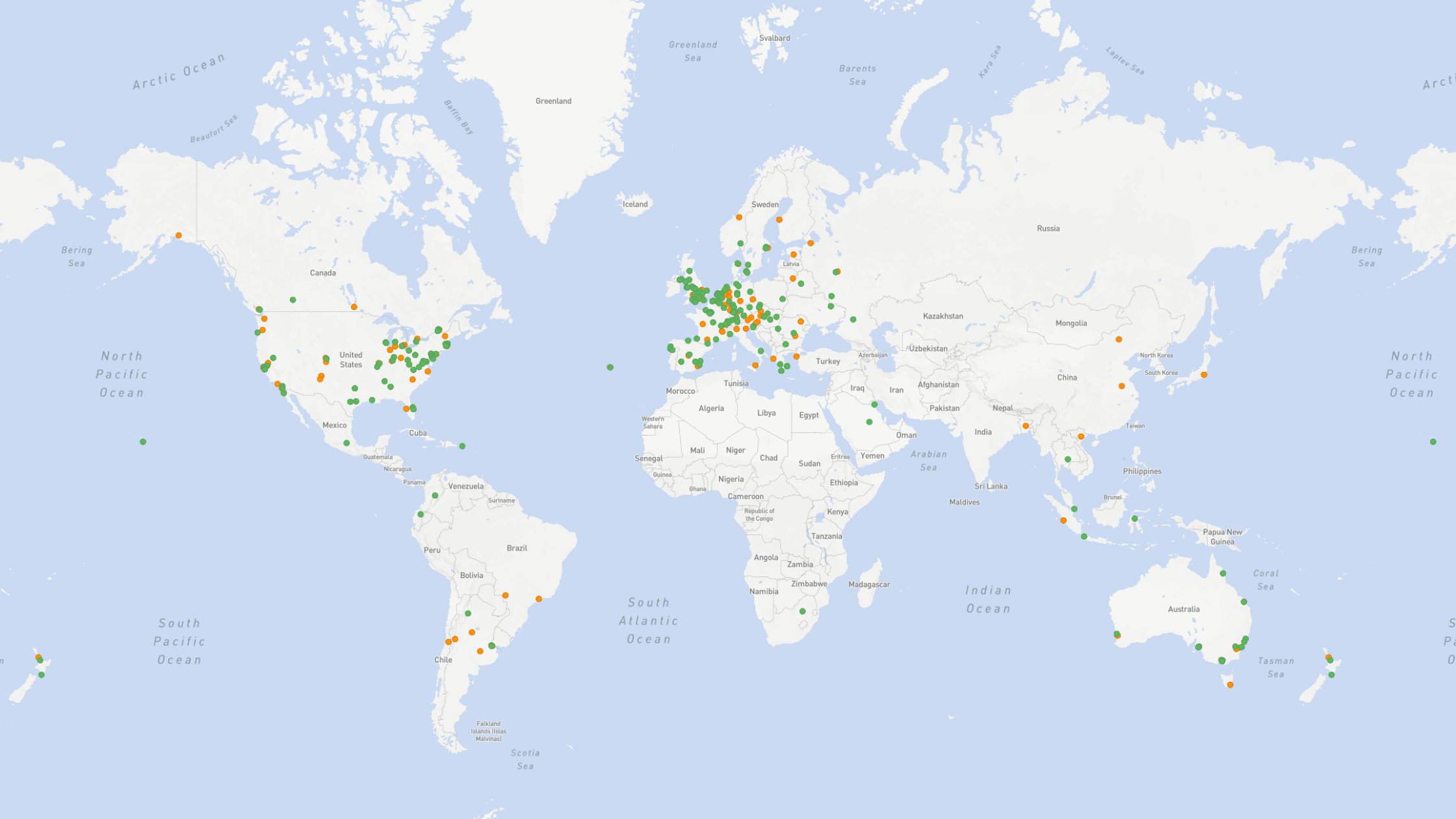
As is the case, every SatNOGS achievement results from collaborative work and continuous efforts by hundreds of ground station owners around the globe. They have made this milestone (and everything related to SatNOGS) possible by scheduling observations, tracking satellites, and, in general, dedicating time and effort to the SatNOGS project’s success.
Everything accomplished so far is thanks to you all!
Outer Space Open For All (The Libre Space Manifesto)
All of Libre Space Foundation’s projects are built to enhance scientific research and knowledge about Space. Created, designed and developed by a strong interest and belief in making Space exploration available to all humanity and used for peaceful purposes. These values are also at the core of the Libre Space Manifesto.
Outer Space Open For All (the SatNOGS way)
Abiding by the Libre Space Manifesto values, SatNOGS is a project that is not only built and developed in a modular, open-source way but also openly distributes the data it collects. The SatNOGS community offers support and guidance in onboarding new members and even helps satellite teams with their missions. SatNOGS has helped hundreds of satellite teams worldwide successfully identify and track their satellites throughout its years of operation. The members of the Community assist missions worldwide in running their experiments and tests and completing their missions. The community can help you communicate with your satellite while it schedules around 10,000 daily observations and guides you throughout the onboarding process. The community also guides you through the actions you need to take and helps you with your mission dashboard, too. All you need to do is contact the SatNOGS team early (as early as possible) and provide the necessary details about your mission.
Want to join the SatNOGS community and be part of the next Milestone?
The SatNOGS community is open and inclusive, welcoming everyone who wishes to contribute their time, knowledge and expertise to the project. If SatNOGS has sparked your interest, and you want to learn more, check out the SatNOGS wiki knowledge base. Drop us a line on the community forum and the dedicated SatNOGS chat. We would love to hear from you, have you join the SatNOGS network and community, and be part of the next million observations.
Join SatNOGS now and help make Outer Space Open for All!